
Soils & Dirt — Topsoil, Fill Dirt, Compost & Clays
Screened topsoil, structural fill, garden mixes, compost, and infield clays. Enter your ZIP code to see what's available locally with delivered pricing.
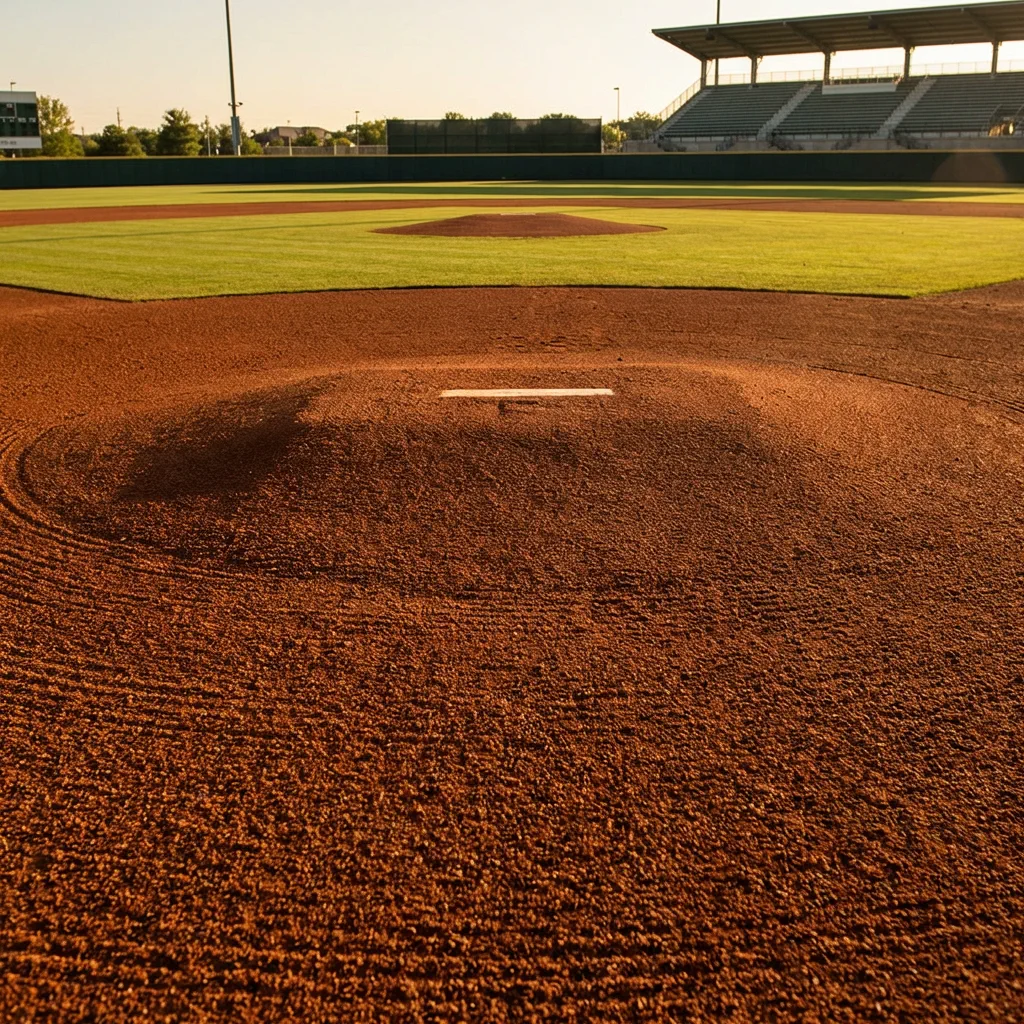
Baseball Clay
Professional-grade infield clay (PI moderate-high, pH 6.5–8.0) engineered for pitcher's mounds, home plate areas, and batter's boxes — plays firm, drains predictably, and holds under cleats.
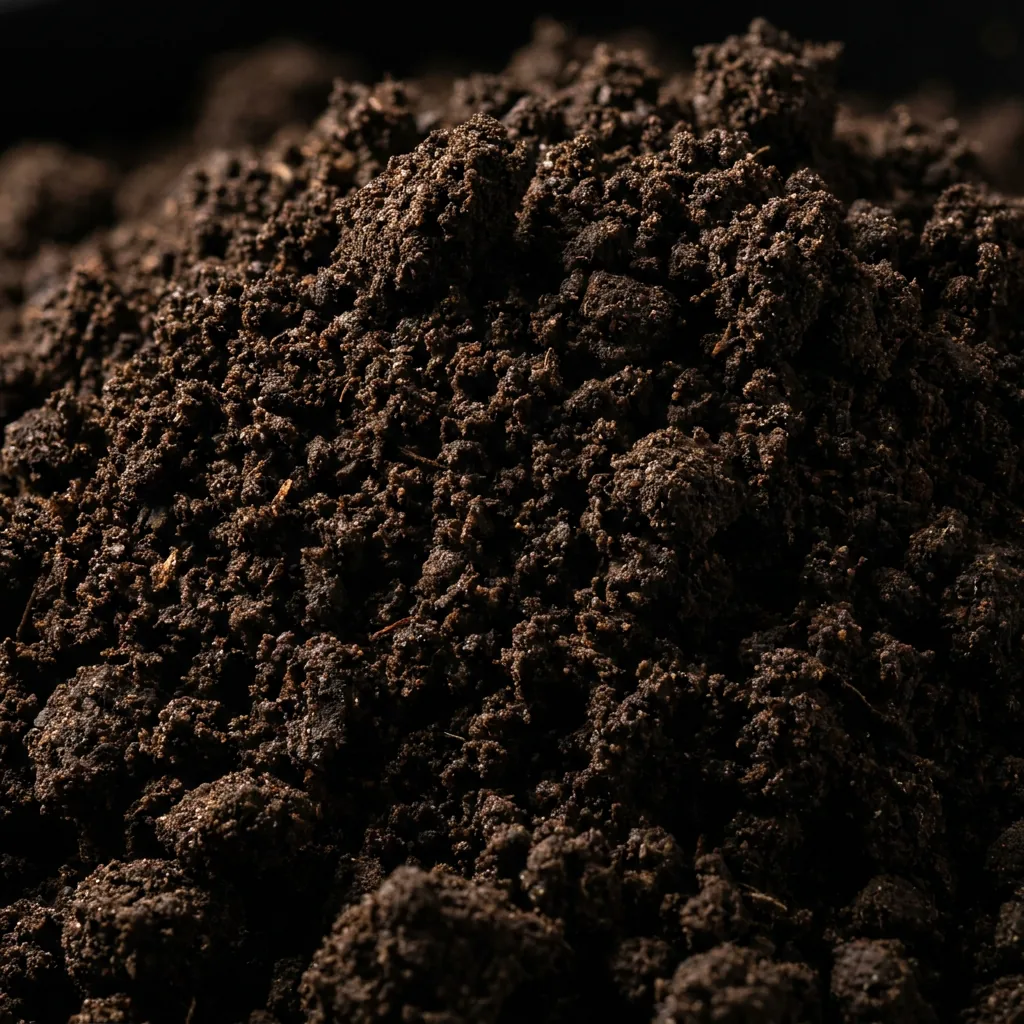
Compost
Finished organic compost — fully decomposed, screened, and ready to spread. Rebuild tired soil, top-dress lawns, amend garden beds, and feed plants naturally.
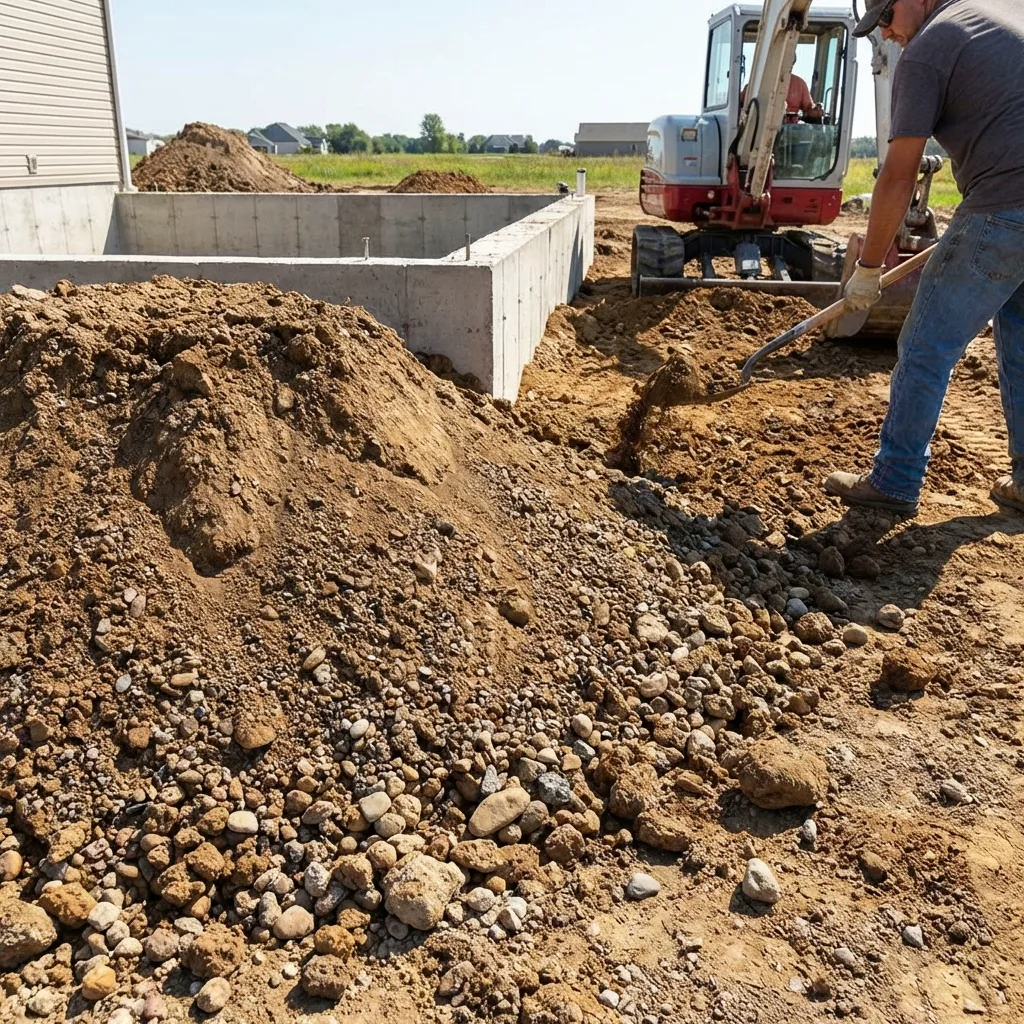
Fill Dirt
Natural, compactable fill soil for grading, leveling, foundation pad building, and large-scale earthwork. Free of organic matter — the most affordable way to move grade.
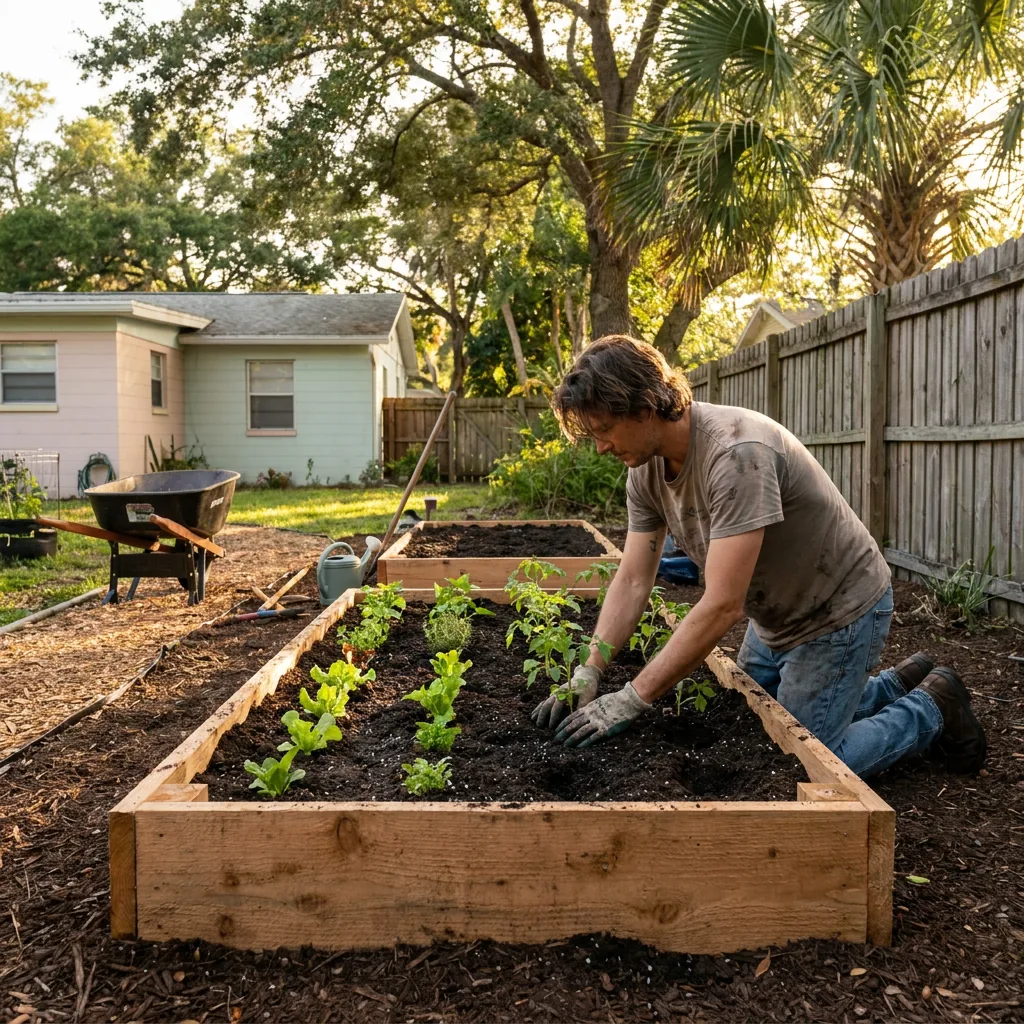
Garden Soil Mix
Premium garden soil blend — screened topsoil enriched with finished compost for raised beds, vegetable gardens, flower beds, and planting. Ready to grow, delivered in bulk.
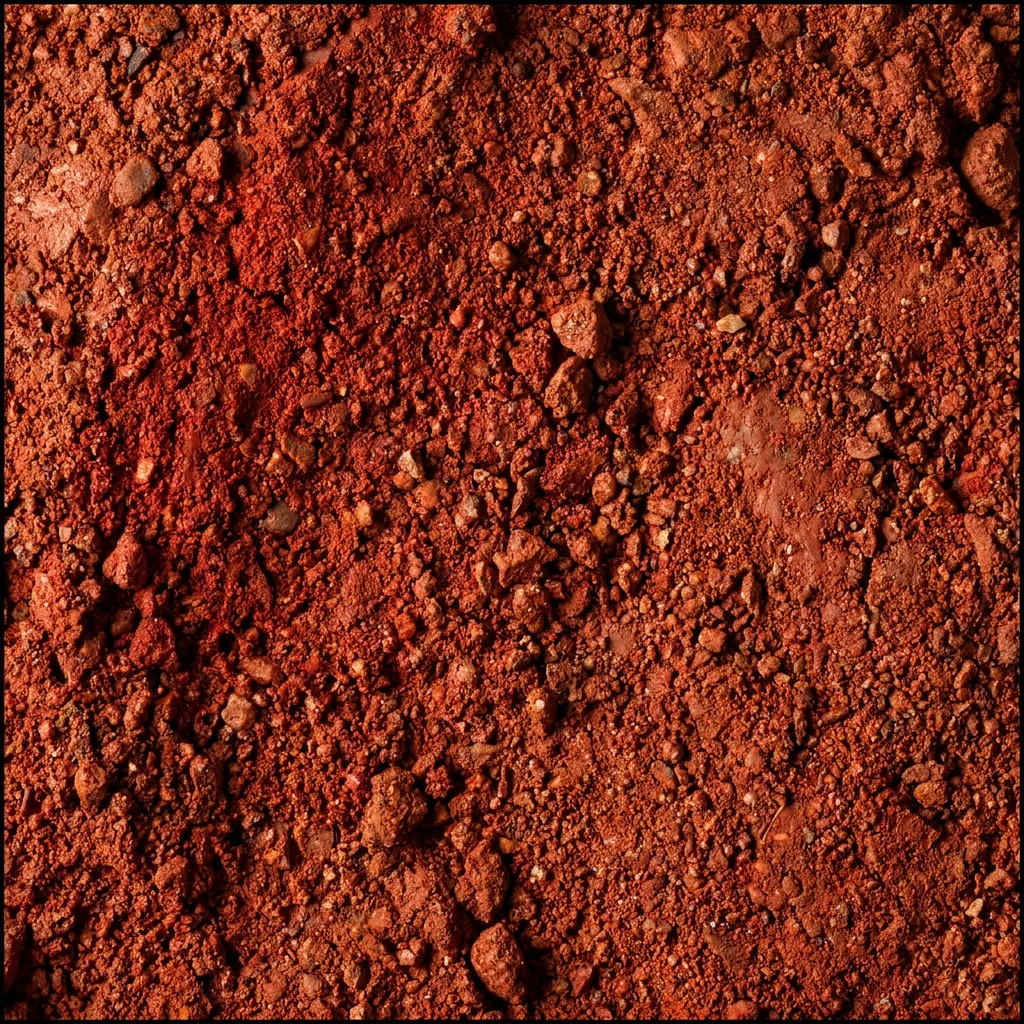
Red Clay
Natural red clay with iron oxide content for road subgrade, pond liners, infield mix, equestrian arenas, and earthen construction. Low permeability, compacts dense.
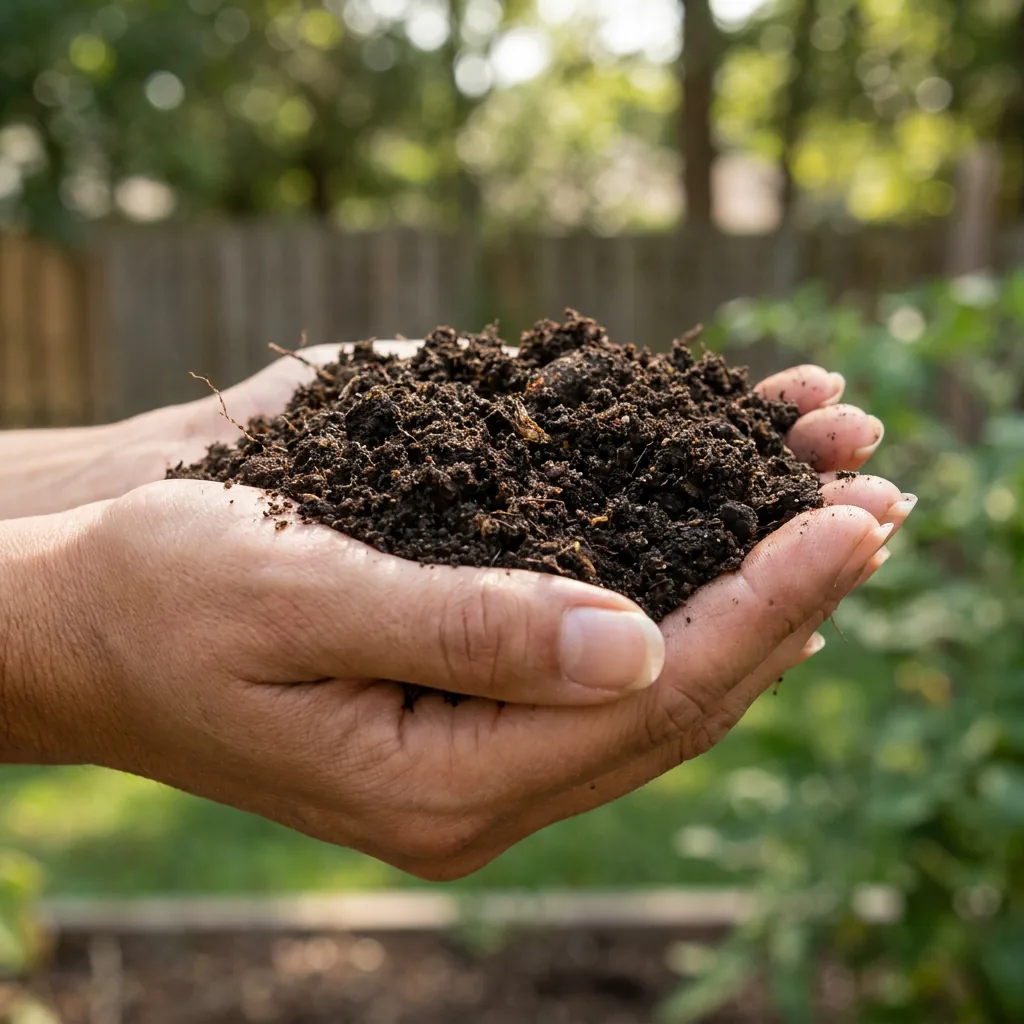
Topsoil
Nutrient-rich screened topsoil (pH 6.0–7.5, 2–10% organic matter) for lawn establishment, garden beds, and landscape grading — the top layer that makes plants grow.
How to Choose the Right Soil
Compare materials below to find the perfect fit for your specific project requirements, budget, and application depth.
Understanding Your Soil Options
Learn what each material is, when to use it, and how much you might need for your project.
Topsoil is the uppermost layer of natural soil, typically the top 2 to 8 inches. It contains the highest concentration of organic matter and nutrients, making it ideal for supporting plant growth. Screened topsoil has been filtered to remove rocks, roots, and debris for a more consistent texture.
Common Uses
- New lawn installation and overseeding
- Garden beds and raised planters
- General landscaping and grading
- Repairing bare or thin patches in existing lawns
How Much Do You Need?
For new lawns, plan for 4 to 6 inches of topsoil across the area. For garden bed amendments, 2 to 3 inches mixed into existing soil is typical. Use our calculator for an exact estimate based on your dimensions.
View Topsoil pricing and availability →Fill dirt is subsoil material with little to no organic content. It is used primarily for structural purposes such as raising grade, filling holes, and creating a stable base beneath construction or landscaping projects. Because it lacks organic matter, it does not decompose or shift over time, making it more stable than topsoil for non-planting applications.
Common Uses
- Raising low areas and correcting elevation
- Backfilling foundations and retaining walls
- Creating a base layer beneath driveways or patios
- Filling large holes, trenches, or excavated areas
How Much Do You Need?
Fill dirt projects typically require greater depth than topsoil — 6 to 12 inches or more depending on how much grade change is needed. For large grading projects, request a quote for accurate volume and pricing.
View Fill Dirt pricing and availability →Compost is decomposed organic material used to enrich existing soil. It improves soil structure, increases water retention, and adds essential nutrients that support healthy plant growth. Garden-grade compost blends are often mixed with topsoil or worked directly into native soil before planting.
Common Uses
- Amending garden beds and vegetable plots
- Top dressing lawns to improve soil health
- Improving clay or sandy soils
- Mulching around trees and shrubs
How Much Do You Need?
For garden bed amendments, 1 to 2 inches of compost tilled into the top 6 inches of existing soil is standard. For lawn top dressing, a thin layer of 1/4 to 1/2 inch is sufficient. Compost is lighter than soil, so volume estimates may differ from weight-based pricing.
View Compost pricing and availability →Screened topsoil is standard topsoil that has been mechanically filtered through a mesh screen to remove stones, roots, clumps, and debris. The result is a finer, more uniform product that spreads evenly and works well for precision applications like top dressing and seed bed preparation.
Common Uses
- Top dressing existing lawns
- Seed bed preparation for new grass
- Filling low spots in established yards
- Fine grading before sod installation
How Much Do You Need?
For top dressing, 1 to 2 inches is typical. For seed bed prep, 2 to 4 inches provides a good growing layer. Screened topsoil is often used in smaller quantities than standard topsoil since it is applied as a finishing layer.
View Topsoil pricing and availability →Sandy loam is a naturally balanced soil that contains a mix of sand, silt, and clay. Its structure provides good drainage while still retaining enough moisture to support plant roots. Sandy loam is especially well-suited for areas where water drainage is a concern, such as Florida's naturally high water table regions.
Common Uses
- Planting areas that need improved drainage
- Foundation for drought-tolerant landscaping
- Sports fields and athletic turf applications
- Blending with heavier clay soils to improve structure
How Much Do You Need?
For general planting, 3 to 6 inches of sandy loam provides a solid growing base. For athletic applications, depth requirements depend on the sport and field specifications. Contact us for guidance on larger or specialized projects.
View Garden Soil Mix pricing and availability →Helpful Tools for Your Project
Frequently Asked Questions
Ready to Order for Your Project?
Enter your ZIP code to see real local pricing and schedule delivery.
or Get a Bulk Quote →